Transform Your Business With Creative Commercial Architecture Solutions
Forward-thinking commercial architecture serves a critical function in driving business success. Through the harmonious blending of functionality and aesthetics, it strengthens both productivity and brand identity. Eco-conscious design approaches not only reduce operational expenses but also foster healthier work environments. As companies develop over time, their needs for physical space naturally evolve. Understanding how architecture influences these dynamics can reveal new potential for growth and collaboration. The perspectives outlined below will examine these concepts in greater depth.
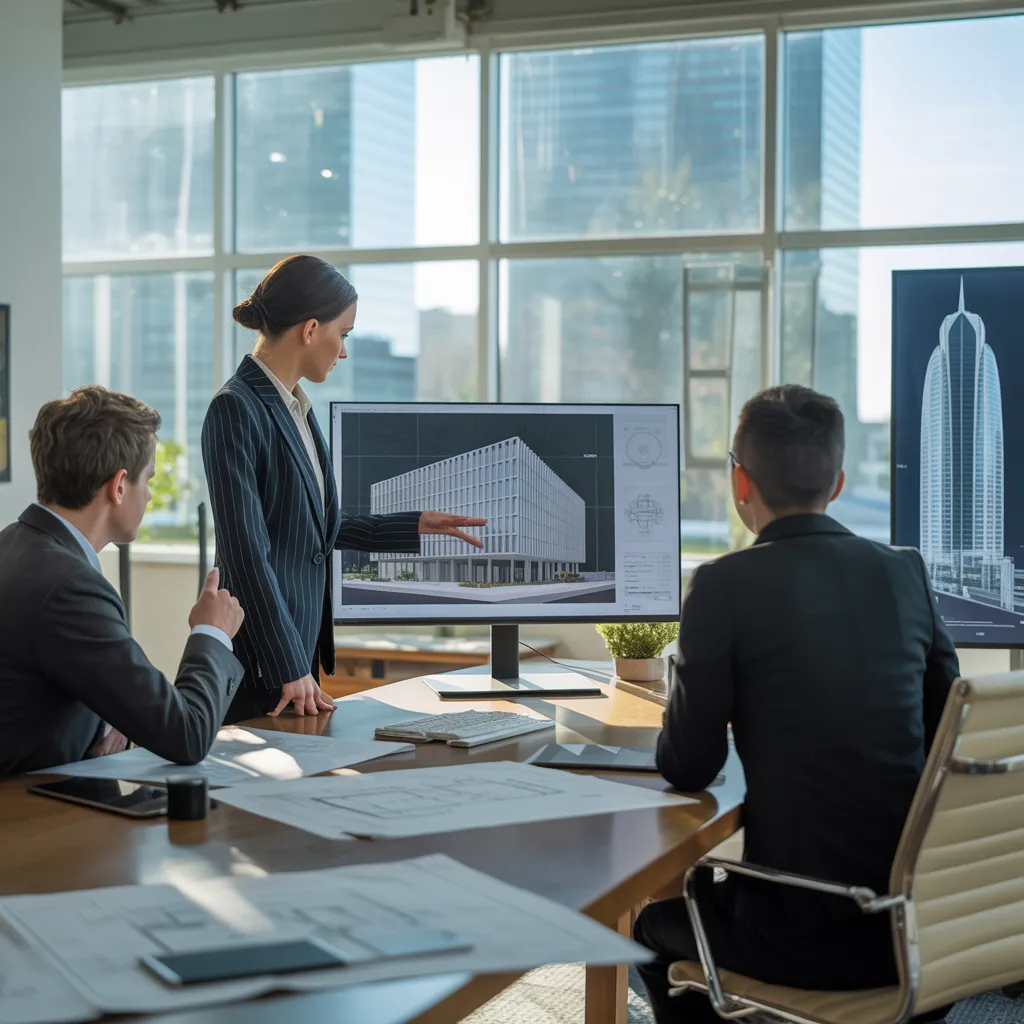
The Importance of Innovative Commercial Architecture for Your Business
Groundbreaking commercial building design redefines the way organizations operate and engage with their environments. This design strategy highlights not just aesthetics but functionality, developing spaces that enhance output and collective engagement. By incorporating environmentally responsible approaches and emerging technologies, enterprises can minimize overhead expenditures while attracting eco-minded customers.
In addition, original architectural designs create striking corporate identities that appeal to customers and enhance staff morale. The arrangement of a workspace can considerably impact operational flow and ingenuity, making innovative architecture vital for staying competitive in today's market.
As organizations develop, the demand for flexible spaces grows increasingly important. Innovative commercial architecture allows for flexibility in design, supporting future expansion and shifts in business requirements. Fundamentally, it provides a strategic advantage by harmonizing physical environments with broader business goals, ultimately encouraging achievement and strengthening the relationship between the organization and the communities it serves.
Essential Features of High-Impact Commercial Architecture
High-impact commercial architecture is characterized by several essential features that enhance both functionality and aesthetic appeal. Fundamental aspects include effective space planning that maximizes usability, green design strategies that lessen environmental impact, and visual aesthetics that attract and engage clients. Together, these features create a dynamic environment that supports business objectives and fosters a positive user experience.
Practical Space Planning
Strategic functional space planning converts commercial architecture into a valuable asset for businesses. By focusing on well-designed layouts, it improves workflows and maximizes productivity. This process involves analyzing the specific needs of a business and allocating space accordingly, ensuring that areas for collaboration, focus, and storage are thoughtfully designed. Effective commercial architecture features versatile spaces that adjust to evolving demands, permitting businesses to develop without costly structural changes. Additionally, intuitive navigation and accessibility are key components, fostering a positive environment for employees and clients alike. At its core, purposeful space planning not only enhances the utilization of square footage but also cultivates a dynamic atmosphere that resonates with the brand's identity, driving overall business achievement and employee well-being.
Sustainable Design Practices
Embracing eco-conscious design principles is essential for today's commercial architecture, as it emphasizes ecological accountability while elevating the visual and practical attributes of a space. These strategies often include incorporating sustainable materials, maximizing energy conservation, and incorporating clean energy solutions. Furthermore, eco-conscious designs promote responsible water usage and better air circulation through cutting-edge ventilation technologies and green roofs. Implementing these strategies not only minimizes a building's greenhouse gas emissions but also lowers operational costs over time. Beyond that, sustainable architecture cultivates a healthier environment for inhabitants, leading to enhanced efficiency and comfort. As organizations acknowledge the significance of corporate social responsibility, embracing green building standards becomes a crucial aspect of influential commercial building design, harmonizing business interests with sustainable practices.
Appealing Aesthetic Visuals
An emphasis on sustainable design practices often leads to an enhanced recognition of visual attractiveness in business architecture. This relationship creates spaces that not only fulfill functional requirements but also harmonize with their environment. Components like natural light, organic materials, and green spaces enrich a building's aesthetic quality, strengthening its aesthetic presence. An aesthetically pleasing structure attracts clientele and fosters a positive environment for staff. Design elements such as distinctive exteriors, creative floor plans, and complementary color palettes can greatly elevate a business's visual identity. Ultimately, incorporating visual attractiveness into eco-friendly structures not only demonstrates a devotion to sustainable practices but also confirms that the construction excels in a competitive marketplace, thus strengthening the business's image and values.
Choosing the Best Commercial Architecture Partner for Your Needs
How can one identify the most suitable commercial architectural firm for their project? The process starts by establishing the specific needs and goals of the project. A detailed review of potential partners should include reviewing their portfolios, paying close attention to relevant experience and design style. References and client feedback can shed light on reliability and collaboration quality.
Next, examining the agency's knowledge of applicable regulations and eco-friendly methods is vital. Skills in communication and project management also play a significant role; a partner should show the capacity to express ideas with clarity and guarantee regular updates on progress.
Cost alignment is another essential consideration, as transparency in pricing can prevent future conflicts. Participating in preliminary meetings provides insight into compatibility and reveals the firm's problem-solving methodology. At its core, identifying the right commercial architecture partner demands a thorough review of professional expertise, collaborative chemistry, and shared vision for the project.
Exemplary Design Case Studies in Commercial Architecture
Another compelling case study features a retail establishment that implemented biophilic design principles, including natural elements such as light and greenery. This strategy enhanced customer experience and increased foot traffic, which translated into increased sales.
Furthermore, a tech company's headquarters showcased a collaborative open floor plan that promoted engagement between team members, substantially boosting operational efficiency and workforce satisfaction. These cases highlight how thoughtful design can transform businesses, enhance functionality, and establish engaging atmospheres that resonate with users, consequently propelling success and expansion in the professional marketplace.
Why Sustainable Design Matters for Your Brand?
As many brands strive to differentiate themselves in a crowded marketplace, incorporating eco-friendly design principles can significantly strengthen their brand identity and appeal. Organizations that commit to sustainable operations tend to draw in eco-minded consumers, fostering loyalty and trust. Sustainable design not only reflects a brand's commitment to social responsibility but also establishes it as an innovative and visionary force within its sector.
Furthermore, environmentally conscious construction often leads to economic advantages through energy efficiency and minimized day-to-day expenses. This real-world advantage reinforces the elevated brand standing, as the public increasingly supports organizations that show a true dedication to eco-conscious practices.
As rules governing environmental consequences grow more stringent, companies embracing eco-friendly design approaches can remain compliant with compliance requirements. At its core, embracing sustainability in architecture serves as a long-term business strategy, solidifying brand identity while resonating with an expanding consumer base, consequently driving long-term success and relevance across an ever-shifting competitive environment.
How Thoughtful Architecture Maximizes Employee Productivity
A well-designed workspace greatly contributes to improving employee productivity. Thoughtful architecture takes into account factors such as daylighting, spatial layout, and sound management, which have a direct effect on workplace efficiency. Offices that favor open layouts encourage collaboration, while reserved private spaces enable focused work, achieving harmony between teamwork and individual tasks.
Including nature-inspired features, such as greenery and exterior vistas, can minimize stress while enhancing creative thinking, ultimately enhancing overall productivity. Ergonomically designed furniture additionally promotes worker comfort, reducing fatigue and promoting extended periods of concentrated effort.
In addition, flexible workspaces that adapt to various tasks promote creativity and engagement. By understanding and implementing these architectural principles, organizations can develop spaces that boost productivity while nurturing employee well-being. In the end, committing to intentional architectural design is a calculated decision that connects employee fulfillment with business achievement.
Upcoming Trends in Commercial Architecture to Keep an Eye On
What transformative changes are shaping the future of commercial architecture? One notable trend is the growing emphasis on sustainability. Architects are embedding green materials and find the information energy-saving designs to lower carbon footprints and advance environmental stewardship. Additionally, biophilic design is gaining traction, emphasizing natural elements to enhance well-being and productivity within workspaces.
Another remarkable trend is the growth of flexible and adaptive spaces. As companies grow and change, the need for multipurpose areas that can easily be reconfigured is proving essential. This versatility facilitates diverse work styles and collaborative efforts.
Moreover, technological breakthroughs, such as smart building technologies and virtual reality, are revolutionizing construction and design processes. These technological developments allow architects to create spaces that are more efficient, responsive, and user-centric.
Common Questions and Answers
What Are the Expenses Involved in Innovative Commercial Architecture Services?
The expenses related to cutting-edge commercial architectural services typically include design fees, materials, labor, permits, and project management. These costs may differ depending on project complexity, location, and specific client requirements, impacting the total budget framework.
What Is the Typical Duration of a Commercial Architecture Project?
A standard commercial architecture project typically takes between six months to two years to complete, influenced by factors including project size, complexity, client specifications, and regulatory approvals, all of which can substantially affect the project timeline.
What Role Does Technology Play in Modern Commercial Architecture?
Technology considerably enhances contemporary commercial building design by simplifying and optimizing design workflows, strengthening cooperative efforts through Building Information Modeling (BIM), facilitating accurate design simulations, and promoting environmentally responsible methods. These advancements ultimately lead to highly efficient, forward-thinking, and economical architectural outcomes.
Can Commercial Architecture Adapt to Changing Business Needs Over Time?
Yes, business-oriented architecture can adapt to evolving business requirements throughout its lifespan. Through adaptable design principles, scalable building components, and the integration of modern technology, buildings can be modified to address changing operational needs, guaranteeing long-term functionality and usability in a rapidly changing commercial landscape.
What Are the Key Benefits of Engaging Employees in the Design Process?
Involving team members in the development process fosters collaboration, increases engagement, and encourages original thinking. Their input can lead to effective solutions, fostering a sense of ownership and improving general efficiency within the workplace environment.