Enhance Your Home With Professional Architecture Services
Enhancing a home through professional architecture services involves more than just aesthetics. It demands a deep understanding of practical design principles and regional construction regulations. Collaborating with an experienced architect can resolve common challenges while improving property worth. The process is organized and thorough, ensuring that every detail corresponds with the homeowner's goals. Yet, many homeowners find it difficult to navigate this journey effectively. What steps can they take to secure a successful collaboration?
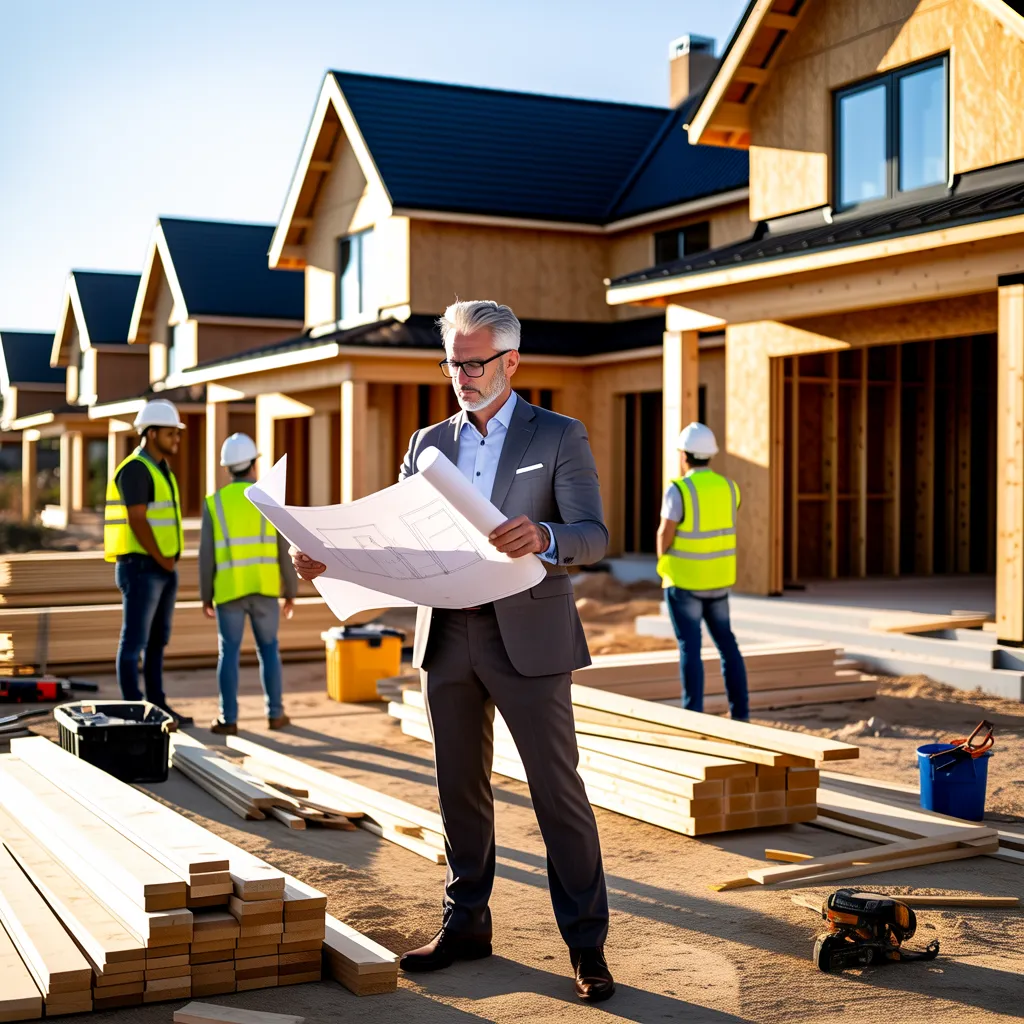
Typical Residential Design Difficulties and the Role Architects Fulfill
What renders home design so tough for countless homeowners? The complexity of combining aesthetic tastes with functional requirements often exhausts them. Homeowners commonly struggle with spatial limitations, budget challenges, and legal requirements, complicating more difficult. Additionally, many do not have the technical knowledge needed to address structural challenges and building codes.
Architects represent an important role in reducing these difficulties. Their background allows them to address the subtleties of architecture, making sure that a homeowner's objective harmonizes with concrete circumstances. Architects can present groundbreaking approaches to enhance space while respecting safety regulations. They also participate in building integrated designs that express the homeowner's taste. By sharing perspectives into materials and construction processes, architects assist accelerate the decision phase. In the end, their proficiency translates a seemingly overwhelming project into a joint experience, encouraging a equilibrated balance between ingenuity and applicability in residential design.
Reasons to Work With a Professional Architect
Engaging a qualified expert strengthens the home design experience by joining professional insight with the client's aspirations. Architects provide a wealth of experience in design methodologies, regulatory requirements, and sustainable techniques, ensuring that the endeavor not only meets visual objectives but also adheres to legal requirements. Their skill in picturing and communicate complex ideas supports rendering theoretical notions into physical designs.
Furthermore, architects can provide creative approaches to spatial challenges, optimizing layout and functionality. They also manage the intricacies of the construction process, coordinating with contractors and suppliers to ensure timelines and budgets are adhered to. This expert supervision minimizes potential errors and decreases the pressure associated with home building or renovation. Ultimately, collaborating with an architect produces a well-designed, cohesive space that reflects the homeowner's personality while enhancing overall home worth.
What Comprise the Vital Steps in the Construction Design Methodology?
What is the way the architectural process unfolds from concept to finish? The progression begins with an first meeting, where the architect and customer discuss objectives, requirements, and financial resources. This stage is vital for creating a well-defined direction. Subsequently, the architect conducts site analysis, examining aspects like terrain, weather patterns, and zoning regulations.
After this, the design phase gets underway. In this phase, drawings and 3D models are produced, permitting the client to envision the project. When the design is finalized, the architect assembles thorough construction blueprints, including specifications and drawings.
Once necessary permits are secured, the project enters the construction phase. The architect frequently collaborates with contractors to guarantee that the design is implemented correctly. Regular site visits and assessments help preserve quality and adherence to the initial vision. Finally, the project culminates in a inspection, confirming that the completed structure meets the client's expectations before the official handover.
How Should You Find the Perfect Architect for Your Home?
Selecting the right designer for a residence necessitates careful evaluation and research. Intending buyers should start by establishing their distinct requirements and financial plan, which will shape their search. Recommendations from acquaintances, family, or property professionals can provide beneficial leads. Online galleries and reviews help with evaluating an designer's previous work and client contentment.
Next, interested parties should speak to multiple prospects to assess their communication style, background, and design approach. It's crucial to address project timelines and client expectations to confirm alignment. Furthermore, verifying credentials and checking for relevant licenses and certifications can avoid potential issues down the line.
Finally, homeowners should trust their instincts. The perfect architect should not only possess the necessary skills but also resonate with the homeowner's goals and values. This synergy fosters a working relationship, eventually leading to a successful partnership in building a ideal residence.
Strategies for Conveying Your Objectives Efficiently
Communicating a objective for home design proficiently is indispensable for a successful partnership between homeowners and architects. To realize this, property owners should begin comprehensive guide by explicitly specifying their needs and preferences. Producing a mood board with images, colors, and textures can support conveying aesthetic goals. Additionally, outlining functional requirements, such as space allocation and layout, ensures that the architect appreciates practical aspects.
Property owners should also engage in open dialogue, promoting questions and feedback to refine their vision. Regular check-ins during the planning phase foster teamwork and openness. Using straightforward language to express ideas and concerns can prevent misunderstandings and help align expectations.
To summarize, maintaining openness to the architect's expertise allows for a more dynamic exchange of ideas. By combining personal vision with professional insight, homeowners can nurture a positive rapport that delivers a beautifully designed space reflecting their aspirations.
Approach to Managing costs for Architectural Services
As you start a home design project, establishing a budget for architecture services is critical to prevent financial strain later. Homeowners should begin by researching typical fees in their area, which can vary based on the project's complexity and the architect's experience. It is sensible to allocate a percentage of the overall project cost specifically for architectural services, typically ranging from 5% to 15%.
Next, buyers should evaluate the extent of services necessary—whether they seek full design and project management or just preliminary meetings. Discussing openly with potential architects about their billing practices can clarify costs.
Additionally, property owners should take into account unforeseen costs and potential changes, establishing a financial reserve in the budget. By explicitly outlining their monetary limits upfront, customers can ensure they select an design expert who aligns with their objectives while adhering to their financial limits.
Regularly Inquired Topics
What Styles of Architectural Can Be Available for My Home?
Homeowners may select from diverse building designs, encompassing modern, traditional, colonial, Mediterranean, and contemporary. Each style delivers distinctive aesthetics and performance, allowing individuals to demonstrate personal taste while accounting for regional influences and environmental factors.
How Long Does the Architectural Process Typically Take?
The architectural undertaking typically takes many months, based on design complexity, approval processes, and local regulations. Elements such as client feedback and project timelines can also impact the timeline considerably during the entire process.
Can Architects Aid With Green Design Alternatives?
Architects can definitely assist with sustainable design choices. They include eco-friendly materials, efficient energy systems, and innovative layouts, ensuring projects reduce environmental impact while maximizing functionality and aesthetic appeal, matching with clients' sustainability goals effectively.
Which Credentials Do I Need to Consider in an Building Designer?
When engaging an architect, one should examine their education, accreditation, involvement in related assignments, portfolio showcasing design style, and knowledge of local regulations. Ability to communicate effectively and client testimonials also prove essential in the evaluation process.
How Do Design Specialists Address Zoning and Permit Obstacles?
Architects resolve regulatory obstacles by conducting thorough research on local regulations, assembling required paperwork, and liaising with municipal authorities. Their knowledge guarantees adherence, expediting the permitting timeline for customer developments efficiently.